Does ceramic coating work, or is it just a fancy word detailers use to charge more for a wax job? It’s the number one question we hear at Precision Auto Spa in Fairfield, usually from someone standing next to a car that’s been through one too many Jersey winters.
Here’s the honest answer: yes, ceramic coating works. But it doesn’t do everything the internet says it does, and some of the claims out there are flat-out made up.
So let’s clear it up. Below are 7 honest truths about what a coating actually does, what it doesn’t do, and whether ceramic coating NJ drivers pay for is worth it on Route 46, Route 80 and every salt-covered road in between.
What Is Ceramic Coating, Anyway?
Before we answer “does ceramic coating work,” you need to know what it is.
A ceramic coating is a liquid applied by hand to your car’s paint. Most professional coatings are built on silicon dioxide, the same basic compound found in glass and quartz. Once applied, it cures and bonds to your clear coat, forming a thin, hard, glossy layer of protection.
Think of it like a screen protector for your phone. Your paint is the screen. The coating takes the abuse so your paint doesn’t have to.
Unlike wax, which sits on top of the paint and washes off in weeks, a coating chemically bonds to the surface and lasts much longer. That durability is why ceramic coating NJ requests have exploded with drivers who are tired of waxing every month.
Does Ceramic Coating Work? 7 Honest Truths
Truth #1: Yes, It Really Repels Water and Dirt
This is the part that makes people fall in love. A ceramic coating is hydrophobic, which means water beads up and rolls right off instead of sitting on the paint.
Dirt, mud and grime have a harder time sticking too. After a rainy day on Passaic Avenue, a coated car often looks cleaner than an uncoated car does after a wash.
So does ceramic coating work for keeping your car cleaner? Absolutely.
Truth #2: It Makes Washing Your Car Way Easier
Bugs from a summer drive down the Parkway, bird droppings outside Willowbrook Mall and tree sap from parking under a maple in Caldwell all come off far easier on a coated car.
Most of our ceramic coating NJ customers say washing goes from a full Saturday project to a quick rinse and wipe. If you’re asking “does ceramic coating work to save time,” this is where you’ll notice it most. Pair it with a regular maintenance wash and your car stays showroom-ready with almost no effort.
Truth #3: It Protects Against NJ Road Salt and Brine
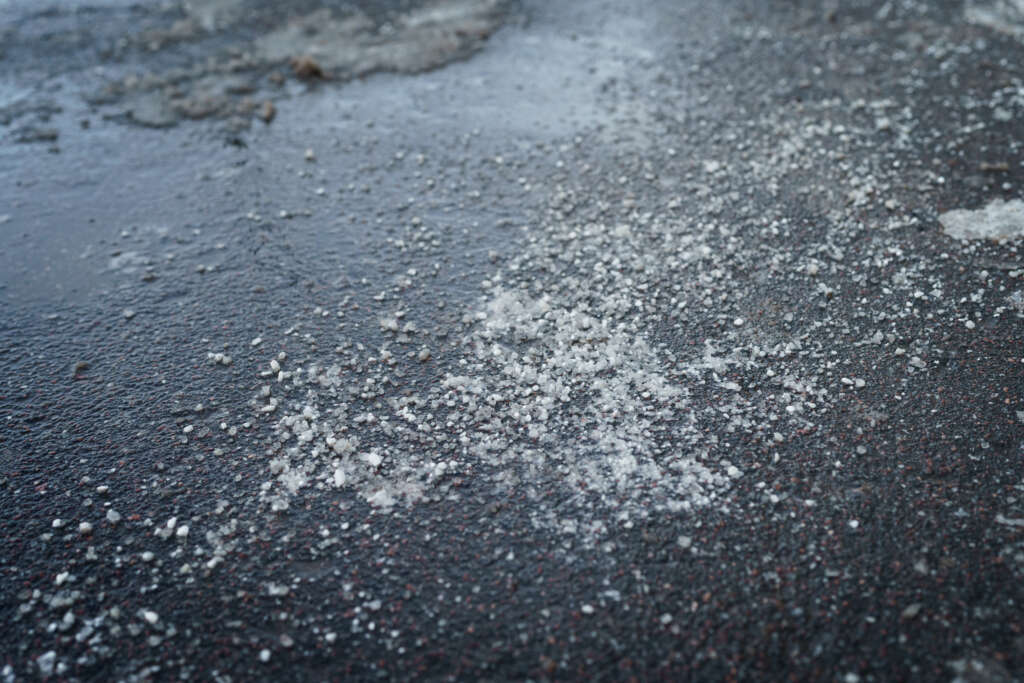
This is the big one for Jersey drivers. Every winter, the New Jersey Department of Transportation and local towns treat roads with salt and liquid brine. De-icing chemicals keep us from sliding into a ditch, but they’re brutal on your car’s finish.
A coating creates a barrier that makes it harder for salt and brine to sit on your paint and easier to wash off. That’s the number one reason ceramic coating NJ demand jumps every fall.
Salt also attacks the underbody, so coating your paint doesn’t replace regular undercarriage washes. Corrosion from road de-icers costs drivers a fortune, and AAA has been warning drivers about it for years.
Truth #4: It Fights Sun Damage and Fading
Summer in North Jersey gets hot, and the EPA’s UV Index regularly hits high levels in July and August. UV rays slowly fade and oxidize paint, especially on red, black and dark blue cars.
A quality coating adds UV protection that helps keep your color rich and your clear coat from turning chalky. Does ceramic coating work against sun damage? It helps a lot, especially on cars that live in a driveway instead of a garage. For ceramic coating NJ drivers who park outside at work all day, this alone is worth it.
Truth #5: It Won’t Make Your Car Scratch-Proof
Here’s where we get honest. You’ve probably seen ads calling coatings “9H hardness” and “scratch-proof.” That 9H number comes from a pencil hardness test, not a promise that keys, shopping carts or automatic car wash brushes can’t hurt your car.
A coating adds some resistance to light swirls from washing, but it is not armor. If you want protection from rock chips on Route 80, you need paint protection film, also called PPF. Many drivers pair PPF on the front end with a coating on the rest of the car.
So does ceramic coating work against scratches and chips? Only a little. Any ceramic coating NJ shop promising more is overselling.
Truth #6: It Doesn’t Fix Existing Paint Damage
A ceramic coating locks in whatever is underneath it. If your paint has swirl marks, light scratches or water spots, the coating will seal them right in and make them shinier.
That’s why every professional ceramic coating NJ job should start with a full wash, decontamination and paint correction. The polishing step removes those defects so you’re locking in a flawless finish, not a flawed one.
When people tell us a coating “didn’t work,” nine times out of ten the prep was skipped.
Truth #7: How Long It Lasts Depends on the Product and the Pro
Spray-on coatings from the auto parts store usually last a few months. Professional coatings typically last for years, with many rated somewhere between two and seven years depending on the product, the prep and how the car is maintained.
Who applies it matters too. The International Detailing Association sets training and certification standards for the industry, so ask any ceramic coating NJ shop about their experience and the exact coating they use.
So does ceramic coating work long-term? Yes, when it’s applied right and cared for properly.
Does Ceramic Coating Work Better Than Wax?
For durability, yes, by a mile. Wax typically lasts a few weeks to a couple of months. A professional coating lasts years.
Wax still has fans for its warm glow, but if your goal is protection that survives a Jersey winter, a coating wins. Here’s a quick breakdown:
| Wax | Ceramic Coating | PPF | |
|---|---|---|---|
| Lasts | Weeks to months | Years | Years |
| Water beading | Good at first | Excellent | Good |
| Salt and chemical protection | Low | High | High |
| Rock chip protection | None | Minimal | Excellent |
| Upfront cost | Low | Medium to high | High |
Is Ceramic Coating NJ Drivers Pay For Really Worth It?
It depends on how you use your car. Ceramic coating NJ is usually worth it if you:
- Plan to keep your car for several years
- Park outside or commute on Route 46, 80, 23 or the Parkway
- Hate spending weekends washing and waxing
- Just bought a new or new-to-you car and want to keep it looking that way
- Want to protect your resale value
It may not be worth it if you’re selling the car in a few months or don’t care how it looks.
For daily drivers in Fairfield, Wayne, Caldwell, West Caldwell, Montville, Pine Brook, Lincoln Park, Totowa and Little Falls, the protection against salt, sap, pollen and sun pays for itself. That’s why we see so many ceramic coating NJ customers from all over Essex, Passaic and Morris County.
When Is the Best Time for Ceramic Coating in NJ?
Fall. Hands down.
Coatings need time to cure properly, and you want that protection on before the first salt truck rolls out in November. Booking ceramic coating NJ service in September or October means your car heads into winter fully protected.
Spring is the second-best time, right after salt season ends and before pollen season covers everything in yellow dust.
How to Make Your Ceramic Coating Last
Does ceramic coating work forever with zero care? No. Treat it right and it will keep performing:
- Wait before the first wash. Ask your detailer how long; most coatings need several days to fully cure.
- Hand wash when you can. Use a pH-neutral car shampoo and the two-bucket method.
- Skip the brushes. Automatic washes with spinning brushes cause swirls, coated or not.
- Rinse salt off often in winter. Don’t let brine sit for weeks.
- Get a yearly check-up. A maintenance detail and top coat keeps your ceramic coating NJ investment performing at its best.
For more on how coatings bond and why prep matters, Chemical Guys has a solid explainer.
Frequently Asked Questions
Does ceramic coating work on older cars?
Yes. Older cars usually need more paint correction before the coating goes on, but once corrected, the coating protects the finish just like it would on a new car.
Does ceramic coating work in the winter?
Yes. It makes road salt and brine easier to wash off and helps protect your clear coat during New Jersey winters. Just make sure the coating goes on before cold weather sets in.
Does ceramic coating work against rock chips?
Not much. For rock chip protection, you need paint protection film. Many drivers combine PPF on the front of the car with a ceramic coating everywhere else.
How long does ceramic coating NJ last?
Professional coatings typically last several years, depending on the product, prep work and maintenance. DIY spray coatings usually last a few months.
How much does ceramic coating NJ cost?
It depends on the size of the vehicle, the condition of the paint and the coating you choose. Cars that need more paint correction take more time. Contact Precision Auto Spa for a quote on your vehicle.
Can I still go through a car wash after ceramic coating?
Touchless washes are fine. Avoid automatic washes with spinning brushes, which can cause swirl marks.
Does ceramic coating work without paint correction?
It will still protect the paint, but it will lock in any swirls and scratches. For the best results, paint correction should come first.
The Verdict: Does Ceramic Coating Work?
Yes, ceramic coating works. It repels water and dirt, makes washing easier, protects against salt, sap and sun, and keeps your car looking newer for years.
It’s not magic, and it’s not scratch-proof. But applied correctly with proper prep, it’s one of the best investments you can make in your car, especially here in North Jersey.
Get Ceramic Coating NJ Drivers Trust at Precision Auto Spa in Fairfield
Looking for ceramic coating NJ drivers can count on? Precision Auto Spa in Fairfield handles every step, from the deep wash and paint correction to the final ceramic coating, so it’s done right the first time.